Apple macOS: The Most Important Stats and Data for 2025
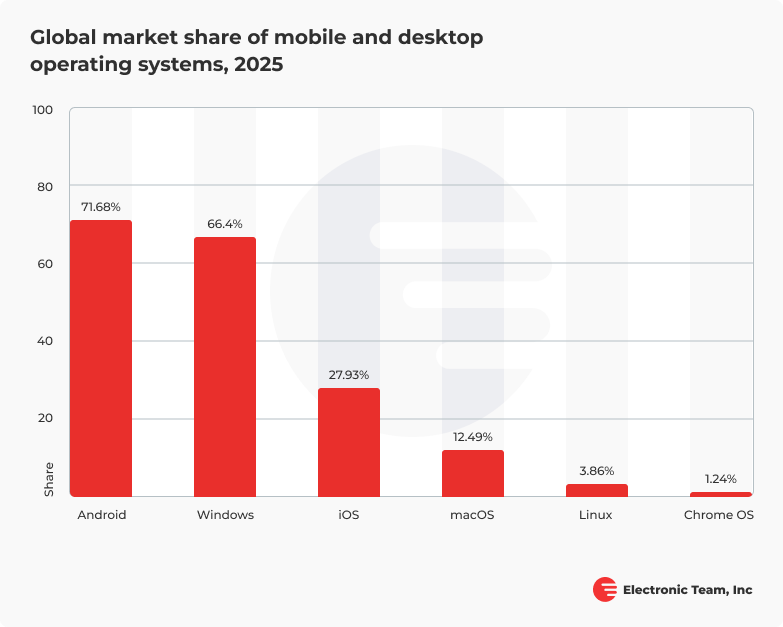
macOS is the world’s second-most-popular operating system, and for good reason. Though it still lags behind Windows in numbers, users flock to Apple’s computers for an experience that you can’t replicate elsewhere.
Apple’s operating system boasts regular updates, excellent computer speed, and beautiful devices. If you’re curious to learn more about the current state of macOS, this article will guide you through some of the most interesting statistics from 2025.
General Apple macOS Statistics
From revenue numbers to a surprisingly popular version of macOS, here are some of the most intriguing and important statistics from 2025.
Apple's Ecosystems Continue to Grow
More than 100 million people worldwide actively use Mac computers in 2025. As of December 2025, macOS represents around 13% of the global desktop operating system market, according to StatCounter’s latest data.
Growing macOS consumer demands are unsurprising for several reasons. Firstly, the Apple ecosystem is well-known for its seamless integration. With the same account, you can access numerous tools on your iPhone, iPad, and Mac.
Though Windows is still more dominant in professional workplaces, times are changing. Mac computers are becoming more popular in creative industries. Elsewhere, we can expect to see a growing adoption of Macs in other areas of business and education. Frequent Apple ecosystem updates and new features like Apple Intelligence could exacerbate this trend.
Revenue Apple's Mac Computers
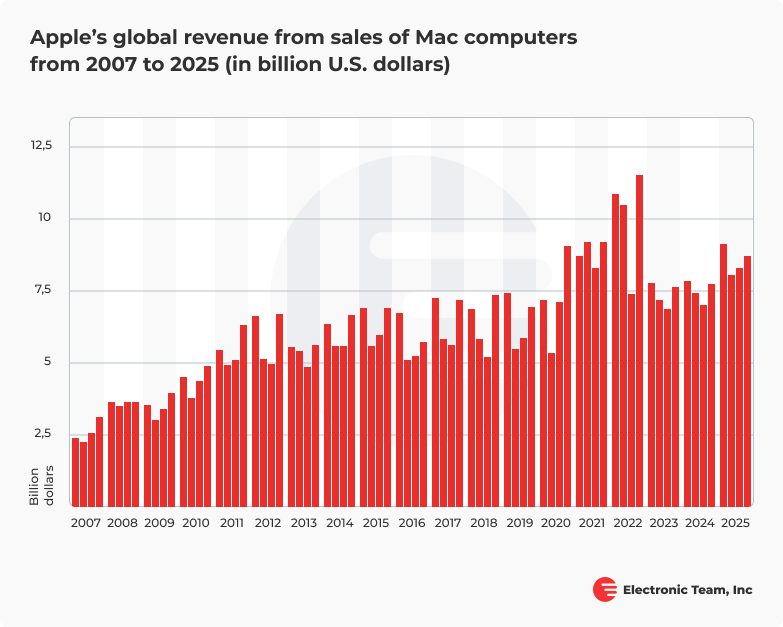
MacBook Air and MacBook Pro models continue to be major revenue drivers for Apple. In fiscal year 2025, Apple’s Mac lineup – including both desktop and notebook computers – generated approximately $33.7 billion in global revenue.
This performance was supported by Apple’s broad and continually evolving Mac lineup. In 2025, the company introduced new MacBook models powered by the M5 processor, targeting a wide range of users – from everyday consumers to professional creators and power users.
Apple’s significant Mac revenue is also partially due to its long-term vision. The company focuses on innovation and performance, while sustainability is another key factor. For these reasons, users are often ready to pay a considerable price tag.
MacBook User Demographic Stats
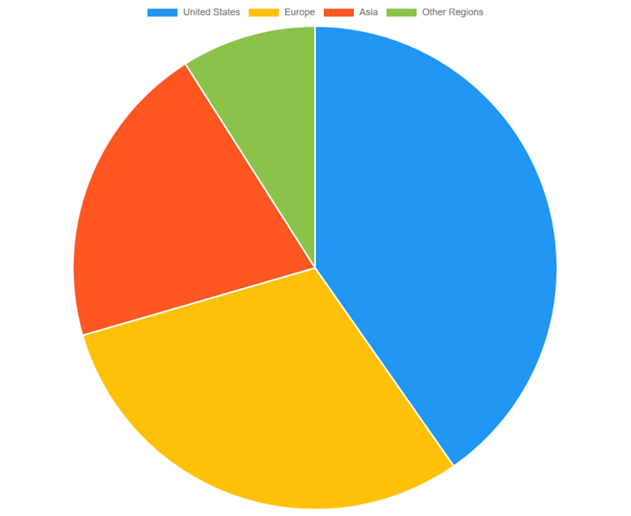
Approximately 40% of all Mac sales worldwide occur in the United States. Even more interestingly, most of them – around 53% – live in small towns and rural areas. Contrastingly, around 30% live in metropolitan areas. MacBooks’ popularity in the US was highlighted by over 15% of personal computers in the country operating on macOS.
Europe accounts for 30.2% of global Mac users. The UK, Germany, and France are Apple’s leading computer markets.
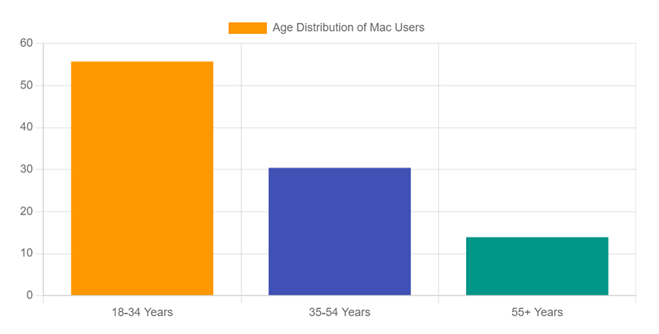
In terms of Mac users by age, young people are the main demographic for Macs. 55.7% of users are aged between 18 and 34, while 30.4% are 35-54. Many people buy Mac computers to complete professional tasks in the creative sector and other industries where device performance is non-negotiable. Apple’s diverse marketing and clear messaging are two key reasons why it can appeal to different age groups.
The overwhelming majority of macOS users – 66% – are female. 34%, meanwhile, are male.
The popularity of MacBooks in Professional Sectors
MacBooks continue to gain strong traction across professional sectors thanks to their performance, reliability, and seamless integration within the broader Apple ecosystem. Software developers, in particular, favor macOS for its stable Unix-based foundation and powerful development tools. This trend is also reinforced by the widespread use of iPhones and iPads, as apps for these devices are typically built on Macs.
The increasing popularity of MacBooks can also be seen in education. Many U.S. institutions, especially colleges and universities, rely on Apple computers to support research, teaching, and creative work. Their durability and robust software ecosystem make them a valuable choice for both students and educators.
Final Thoughts
MacBooks continue to be popular worldwide for personal and professional use. This is not surprising, given their frequent updates, quality design, and general reliability.
Beyond MacBooks, Apple’s broader range of computing tools continues to attract users, particularly those who already own iPhones or iPads, because of the seamless integration within the Apple ecosystem. With each new macOS release introducing enhanced features and improved performance, the adoption of Macs is expected to grow steadily in the coming years, further solidifying their position in the global market.